Showing posts with label Internet Marketing. Show all posts

Thursday, 29 June 2017

Learn How You Can Increase Online Reach of Your Business

As a seller, your website or ecommerce webstore can bring you a good amount of traffic and sales. It offers a great way to attract new customers and increase the reach of your products and brand. However a small company typically may not have the resources to create a comprehensive website, set up a payment gateway, or invest on online marketing efforts. Even an existing seller could face a roadblock when it comes to increasing reach, as online marketing spends become progressively higher. This is where alliances or relationships with online marketplaces can help.
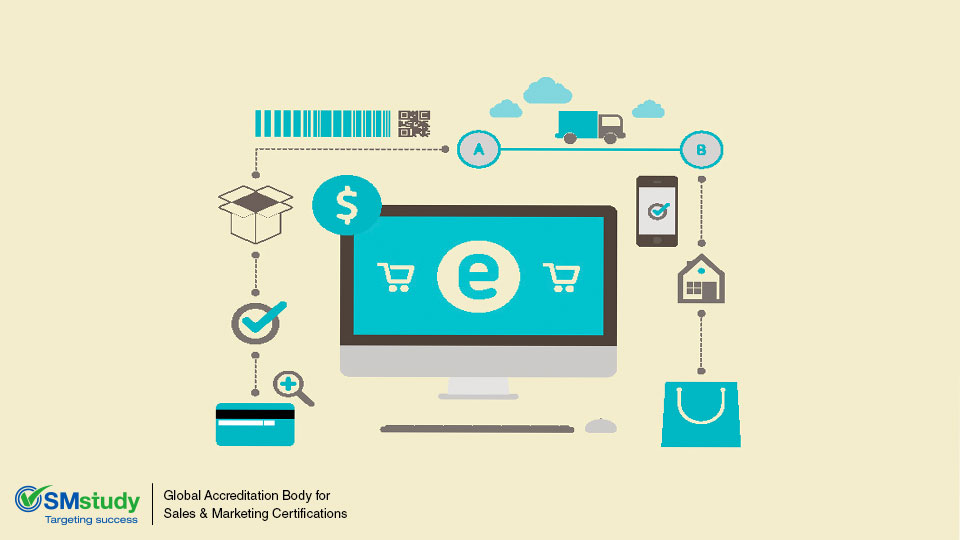
Strategic alliances or relationships with online marketplaces are very effective for increasing reach. An online marketplace is a type of e-commerce website where product and inventory information is provided by multiple third parties, and the transactions are processed by the marketplace operator. The product offered could be a physical product, such as clothing, furniture, books, or electronics. Or it could even be an intangible product, such as an online training course, downloadable game, or streaming video.
The marketplace processes consumer transactions and the participating retailers or wholesalers fulfill and deliver the products and services; thus, the online marketplace or site is really the middle-man. Some marketplaces may also handle order fulfilment and delivery management services, for which they typically charge a premium. Because marketplaces offer products from many providers, they offer a wider selection and more competitive prices than those offered by the e-commerce sites of individual businesses.
For a small manufacturer that does not have a large enough brand to attract brick-and-mortar retailers and does not have sufficient money to gain and manage a critical mass of visits on its own website, partnering with an online marketplace makes perfect sense. It helps the manufacturer save the costs involved in online marketing and enhancing customer experience. For the online marketplace, it means an additional product or brand available for its customers to choose from, thus becoming a win-win relationship for the marketplace operator and the small manufacturer.
These companies benefit by paying a small percentage of their revenue to the marketplace operator who can provide those services. Since the marketplace operator typically has multiple—sometimes thousands of associated parties promoting their products on the website, it is cost effective and scalable. These online marketplaces are often the primary destination people choose to purchase a particular product. If you’re looking to increase reach, marketplaces offer you a quick and easy access to new markets.
Small publications and authors often use the online marketplace (companies such as Amazon) to sell their books. These small publications do not have the resources to reach a global audience on their own. Thus, strategic partnerships with online booksellers or websites that have a huge reach will help them promote their books effectively.
Visit www.smstudy.com to learn more ways to increase your online reach.

Friday, 23 June 2017

Mobile Devices Playing a Key Role in Planning Marketing Strategy for a Business

Since the demise of newspaper’s great hegemonic grip on advertising, news media minds have been banging their big brains together, trying to come up with ways that not only monetize their content, but also generate some of the sweet ad revenue they used to have the luxury of enjoying. This is, of course, much harder in the infinite space and freedom of the internet. (limited space and information gatekeeping was a true friend to print news)
It’s been a bit of a slog and news outlets have been in “trial and error” mode for a while and still haven’t quite gotten it fully figured out. That being said, over the last year or so, user trends have been offering great nuggets of insight that are changing the way marketers and news sites are adapting to trends in mobile news consumption.
The landscape for mobile news outlets was important enough to make it to the front page of The Pew Research State of the Media 2015. What was the big deal? That 39 out of 50 legacy news outlets get more traffic from mobile devices than from desktop computers!  
Full list (stats provided by comScore)…http://www.journalism.org/media-indicators/digital-top-50-online-news-entities-2015/
In the digital-only “newsscape,” a similar trend was noted.
The report states, “similar to the larger list of top 50 digital news entities, just a minority of these digital-only sites, 11 in all, had audiences that spent more time with them via a mobile device than a desktop.”
Here’s the complete list of digital native sites... http://www.journalism.org/media-indicators/digital-top-50-digital-native-news-sites-2015/
This preference for mobile news consumption is only mildly tempered by the fact that longer times were spent on news sites when being read on desktop computers.
Nevertheless, it matters.
Believe it or not, tracking consumer behavior has been one of the main problems with news outlets and marketers alike when considering ad dollars for mobile. Now we know that people are preferring their mobile devices for their news both while in on-the-go situations as well as in the down time of “Netflix and chill” moments.
In addition, we appear to be in a “mobile ad desert” where despite a rapid increase year over year in mobile advertising spending, there’s still a gap between advertising dollars spent on TV and other marketing channels and those spent on mobile. It seems that marketers haven’t quite picked up on the huge leap mobile viewership has taken. As an example, Adobe Digital Index reported in July 2015 that media has risen by two hours a day over the last five years, but advertisers have been slow to respond.
The article states, “Just as internet advertising once experienced a lag between the number of unique users and advertising spend, a gulf now exists between the growing amount of time consumers spend viewing content on mobile devices and the relatively small investment brands are making in the channel. But it’s just a matter of time until the numbers match.”
When confronted with new information, a new approach is often required. And this positive mobile news usage data begs for new solutions.
One of the more interesting examples of calculating an accurate measure was put forward by the Financial Times. The FT has switched to a time-based metric, one that places attention front and center in their value assessment. Other news outlets are also recognizing the truer value of an attention-based metric, as well. I’ve begun calling this the “after the fold” ad as it appears when I’ve stayed on a story long enough to show I’m committed. This strategy bets squarely on the contents ability to hold attention. And so far, so good.
Although various solutions abound, no silver bullet has yet been discovered (and perhaps never will). Serious impediments to accurate metrics (and hence, the flow of ad dollars) include bots that inflate the numbers and the easy accessibility to, and preference for, ad-blocking. This trend is particularly noted among millennials. 
But even so, a new approach based on time as opposed to volume (number of clicks) could be the way forward for news outlets. Getting a handle on what they have to offer marketers may be the thing to lead news outlets out of the red and back into the black.
For more on sales and marketing, visit smstudy.com.